53 mins #10 Oct 06, 26 Dental billing with Mike Huffaker at Planet DDS Mike Huffaker is Chief Revenue Officer at Planet DDS, a cloud-based AI platform for dental practice management and imaging, built for groups operating at scale. Mike is also the host of The Dental Economist Show. In this episode, Mike explains why dental groups are standardizing on a single tech stack, how more dental providers are submitting medical claims, and why gaps in payer eligibility data still force practices to call payers for cost estimates. He also explains why dental claims still go out in end-of-day batches. 00:00 Introduction 00:24 What does Planet DDS do? 01:37 What are dental groups switching from? 04:32 What makes software built for multi-location groups? 06:40 What happens when a DSO acquires a practice? 11:44 How did DSO consolidation change dental software? 18:58 What do dental groups integrate with? 22:39 Why do dental providers need to submit medical claims? 26:50 How different are medical claims from dental claims? 33:54 Why does every health tech company end up in RCM? 39:01 Why is it so hard to estimate dental costs across payers? 45:00 Do payers benefit from billing friction? 50:21 What's one thing Mike would change about dental RCM? Learn more about Planet DDS: https://www.planetdds.com/ Connect with Mike on LinkedIn: https://www.linkedin.com/in/huffaker/ Check out Mike's podcast, The Dental Economist Show: https://www.youtube.com/playlist?list=PL8sPE8UqEy5i-ReuTOqL_BFzw0VAOucuT
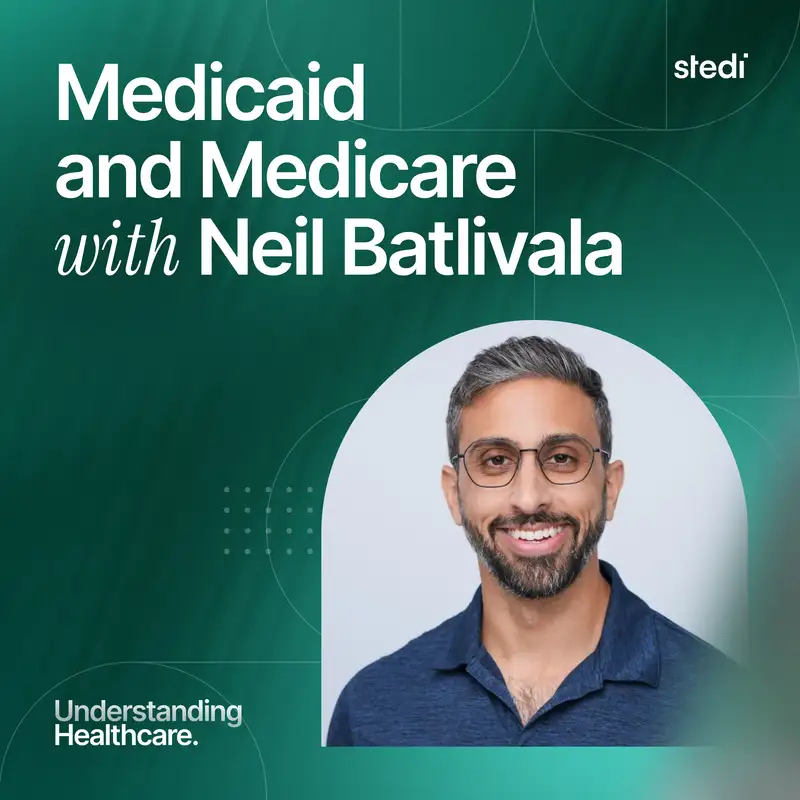
48 mins #9 Aug 25, 26 Medicaid and Medicare with Neil Batlivala at Pair Team Neil Batlivala is co-founder and CEO of Pair Team, a provider organization that offers team-guided, AI-enabled care navigation for Medicaid patients. In this episode, Neil explains how Medicaid programs pay providers, why medical care and social services stay fragmented for the patients who need both, and how Pair Team uses AI care managers and agentic verification to cut the cost of whole-person care. 00:00 Introduction 00:20 What does Pair Team do? 01:37 What did Medicaid patients do before Pair Team? 06:54 Why did Pair Team choose Medicaid over commercial insurance? 08:05 How does money flow through Medicare and Medicaid? 10:22 Why is it hard to innovate across state Medicaid programs? 12:48 How did Pair Team pick Medicaid as its first lane? 19:31 How does Pair Team find its patients? 22:31 How does Pair Team use AI agents? 27:49 Having AI agents prompt the person 31:35 Where does Medicaid coverage miss what patients need? 36:26 Who can Pair Team serve, and who can't? 40:22 What is CMS's ACCESS model for Medicare? 46:56 What's one thing Neil would change about U.S. healthcare? Learn more about Pair Team: https://www.pairteam.com/ Connect with Neil on LinkedIn: https://www.linkedin.com/in/neil-batlivala/
53 mins #8 Jul 09, 26 Agentic AI for the revenue cycle with Ayo Omojola at Substrate Ayo Omojola is the co-founder and CEO of Substrate, an AI agent platform for revenue cycle automation. Before starting Substrate, Ayo saw the friction firsthand working in primary and urgent care. In this episode, Ayo explains why Substrate moved from browser automation to agentic AI, why there's so much friction in the revenue cycle, and how healthcare billing could be 5x faster and cheaper using the tools we have. 00:00 Introduction 00:22 What does Substrate do? 01:16 Where does the revenue cycle start? 04:03 Ayo's start in primary and urgent care 07:27 Are payers incentivized not to pay? 12:13 Why do payers still send critical info via snail mail? 15:48 How did Substrate get started? 23:37 Why is revenue cycle so homogeneous? 25:43 Rabbit holes and Substrate's policy agent 38:02 Depth on big payers vs. the long tail? 44:36 How much better could RCM be today? 46:42 What's one thing you'd change about RCM? Learn more about Substrate: https://www.substrateai.com/ Connect with Ayo on LinkedIn: https://www.linkedin.com/in/omojola/
45 mins #7 Apr 16, 26 Revenue recovery with Eliana Berger at Joyful Health Eliana Berger is co-founder and CEO of Joyful Health. In this episode, Eliana and Zack discuss revenue recovery – how healthcare practices lose revenue through unpaid insurance claims. Eliana explains denials management, why fixing denials requires more than just filing appeals, and how Joyful Health's AI platform recovers that revenue without requiring practices to change their existing systems. 00:00 Introduction 00:43 What is Joyful Health, and how did Eliana start it? 02:33 What does a healthcare practice's billing tech stack look like? 06:31 Why is healthcare revenue so hard to track? 13:43 What's the difference between a rejection, denial, and stale claim? 17:58 What happens when a claim is denied? 22:25 How does Joyful fit into the billing workflow? 28:53 How do you prioritize what to build? 30:58 What does a 90-95% recovery rate mean? 37:07 How does Joyful reduce the cost to collect? 41:00 What would you change about revenue cycle management? Learn more about Joyful Health: https://www.joyfulhealth.com/ Read about Joyful Health's Series A: https://www.joyfulhealth.com/post/joyful-health-raises-22m-to-build-denial-intelligence-recovery-infrastructure Connect with Eliana on LinkedIn: https://www.linkedin.com/in/elianaberger/
43 mins #6 Mar 18, 26 Patient referrals with Dr. Will Morris at Tennr Dr. Will Morris is Chief Medical Officer at Tennr. He's also a practicing hospitalist, a former hospital CIO, and former Chief Medical Officer at Google. In this episode, Will explains how Tennr manages the full referral lifecycle from the receiving provider's perspective, why most referrals end up in a black hole for patients, and how intelligent triage and closed-loop communication can match patients to the right provider at the right time. 00:00 Introduction 01:47 What does Tennr do? 02:42 What is the self-pay referral experience like? 05:48 Is waiting for "Dr. Famous" always the right move? 06:24 What's the difference between a formal and informal referral? 11:13 Why do referrals disappear into a black hole? 13:34 How does closing the referral loop benefit everyone? 17:41 Can Tennr solve the Dr. Famous wait time problem? 24:44 What is "The Goal" and why does it apply to healthcare? 34:01 What does a Tennr implementation actually look like? 36:44 Do health systems that use Epic already have this solved? 40:11 If you could change one thing about RCM, what would it be? Learn more about Tennr: https://tennr.com Connect with Dr. Morris on LinkedIn: https://www.linkedin.com/in/mowilliam/